Need help?
The Return-to-Duty test is a specific federal testing step that occurs after a driver has successfully complied with the SAP's education and/or treatment recommendations. It is the testing checkpoint between the SAP evaluation process and a possible return to DOT safety-sensitive work.
Because the RTD test has a specific regulatory purpose, it should not be confused with a routine pre-employment, random, or private drug test.
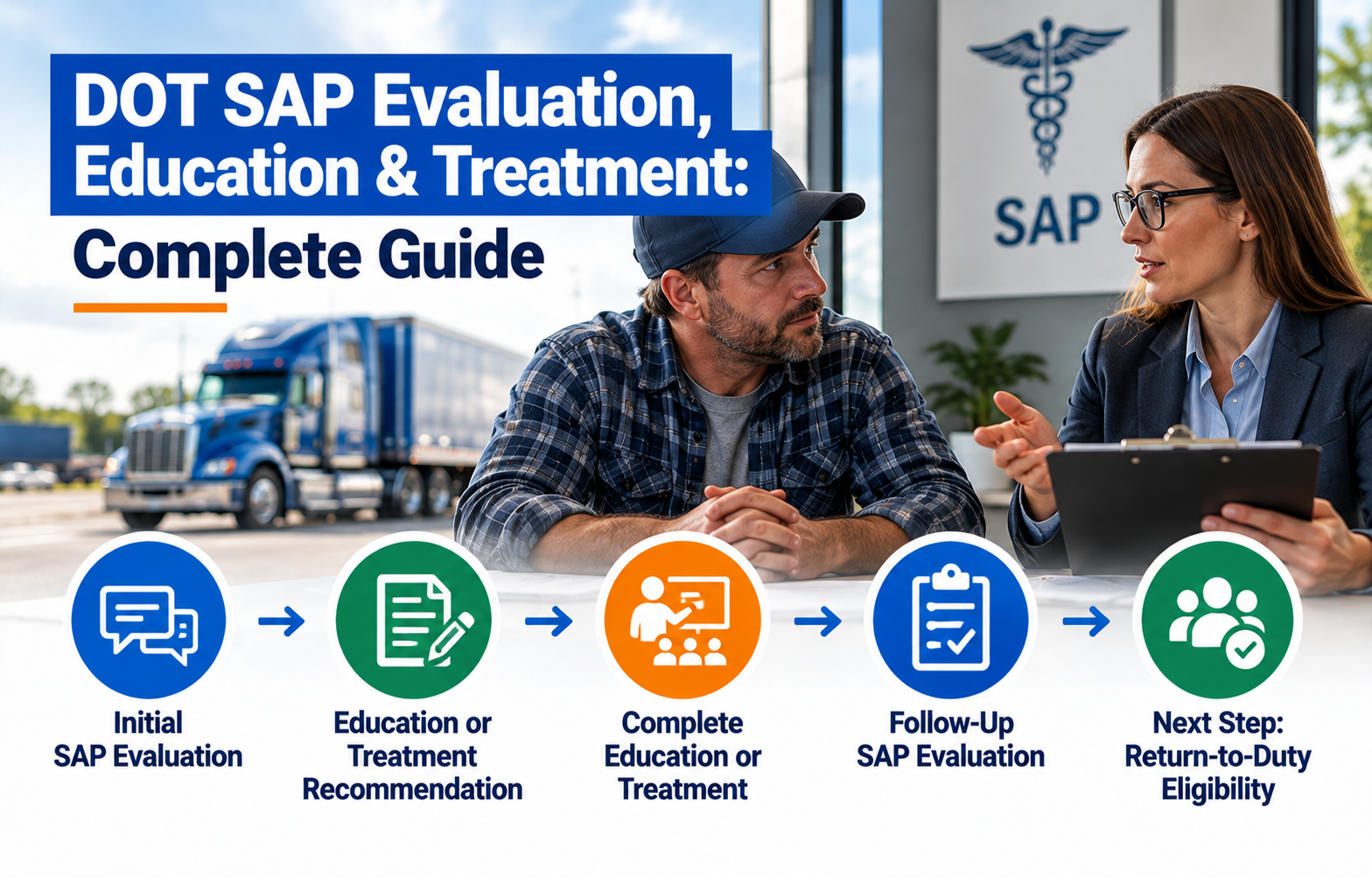
The RTD test comes after the SAP's follow-up evaluation. The SAP must first determine that the driver has successfully complied with the prescribed education and/or treatment. DOT guidance makes clear that an employer should not administer an RTD test before that successful-compliance determination.
This sequencing prevents the test from becoming a shortcut around the clinical portion of the process. A negative test alone does not replace the SAP evaluation, recommendation, and follow-up evaluation.
Once successful compliance has been established, the testing stage can proceed if an employer decides it wants to place the driver in safety-sensitive work.
Part 40 places responsibility on the employer that decides to permit the employee to return to safety-sensitive functions. The employer must ensure that the RTD test is conducted and must have the required result before the driver performs those functions.
This also explains why a driver who has completed the SAP's requirements but has no employer can find the final RTD stage different from simply buying a personal drug test. The federal RTD test is part of an employer's regulated testing responsibilities.
Nothing in the rule requires a carrier to hire or return the driver solely because the SAP requirements have been completed.
For a drug violation, the driver must have a negative Return-to-Duty drug test before returning to safety-sensitive work. For alcohol, the RTD alcohol result must be below 0.02.
DOT Return-to-Duty drug collections are conducted under direct-observation requirements. This is not an optional carrier policy; it is part of the federal testing framework. Follow-up drug tests after return are also conducted under direct observation.
The driver should therefore expect the RTD collection procedure to differ from an ordinary unobserved employment drug screen.
Pre-employment testing, random testing, Return-to-Duty testing, and follow-up testing have different regulatory purposes. A driver may encounter several of these categories during a career, but one should not automatically be treated as a substitute for another.
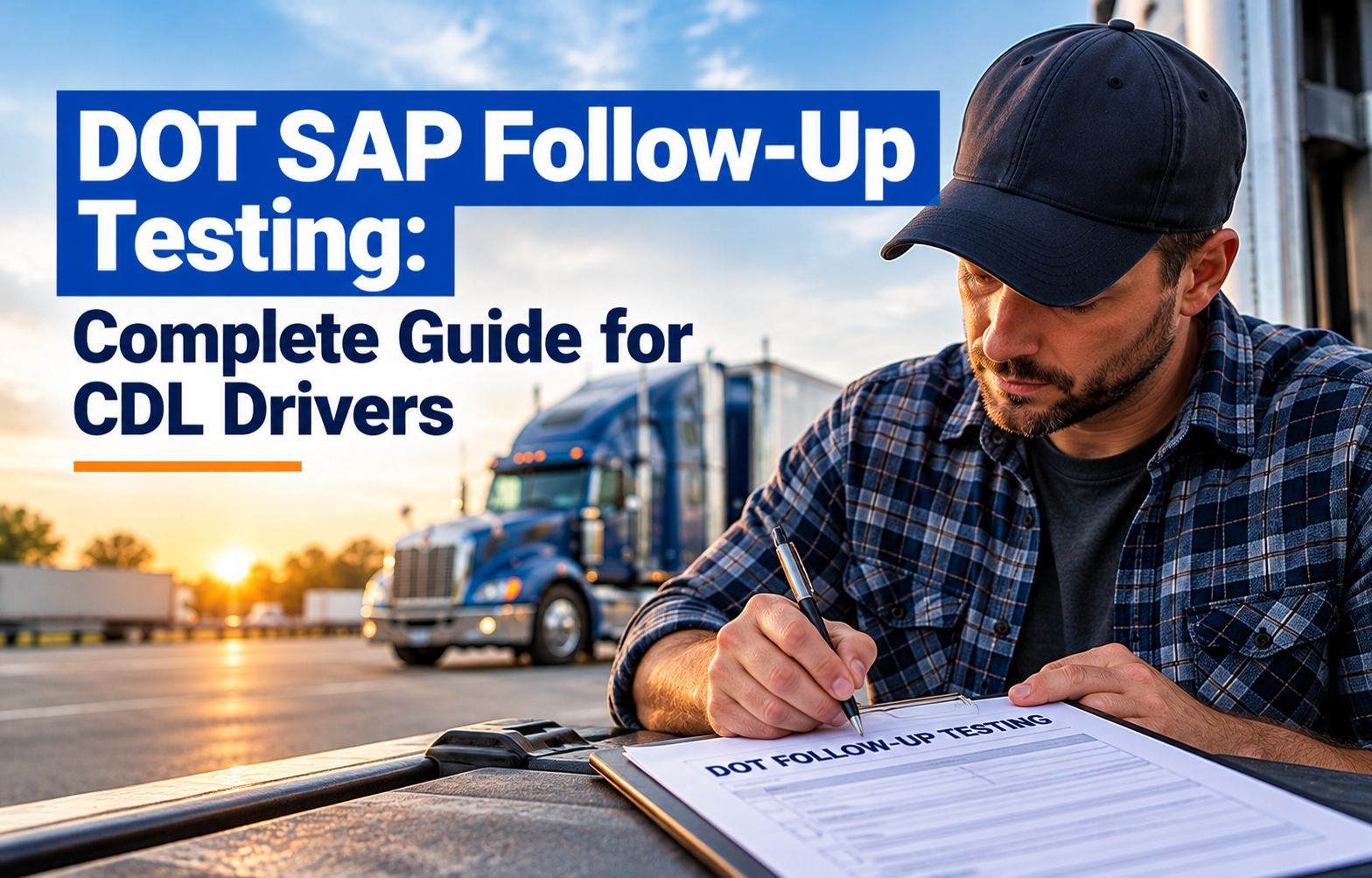
The RTD test specifically addresses a driver's return after a DOT drug or alcohol violation. Random testing is part of the employer's ongoing testing program, while follow-up testing is prescribed by the SAP after the driver returns.
Keeping these categories separate is especially important when a driver changes employers during the process.
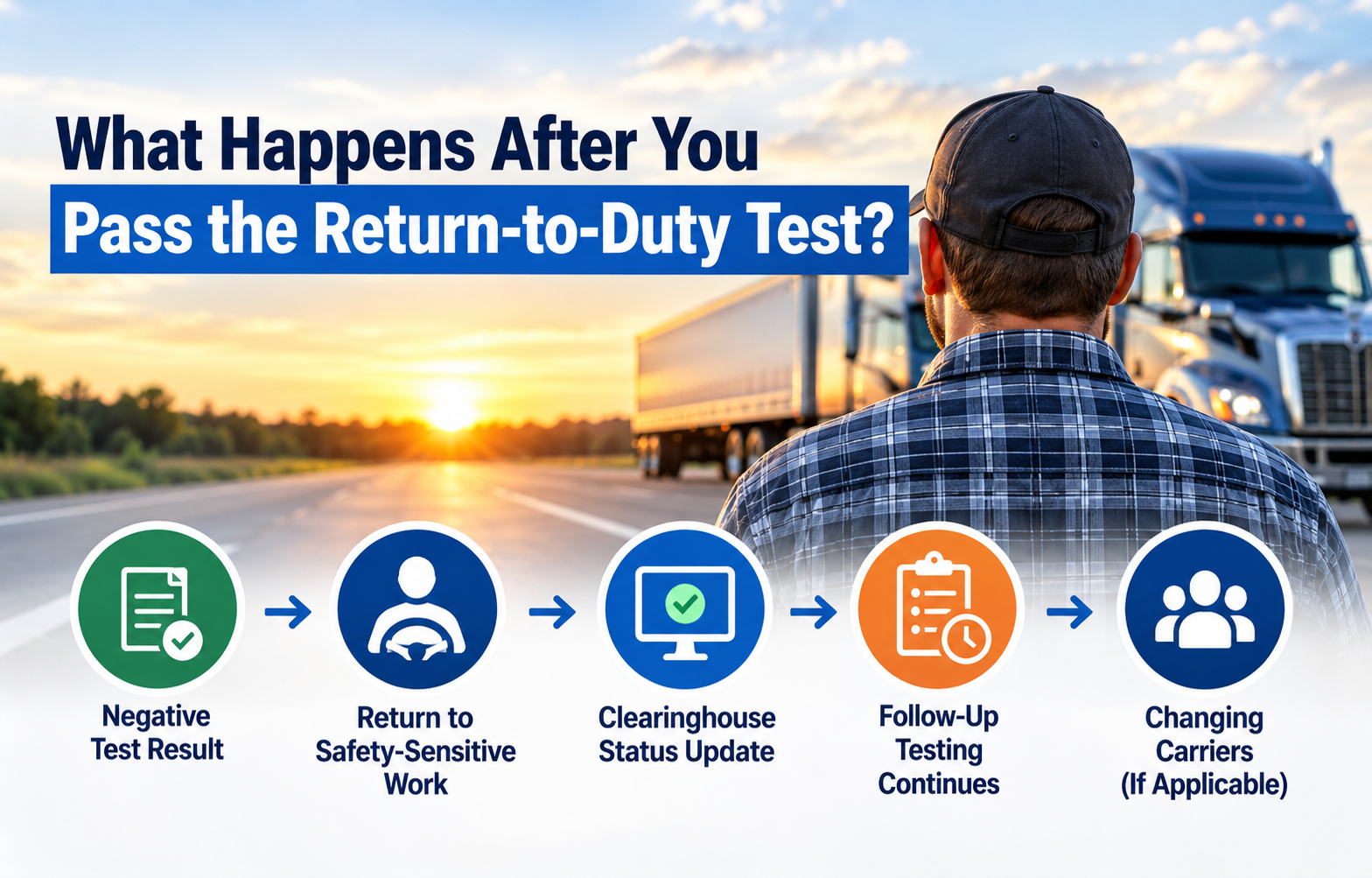
A qualifying RTD result can allow the driver to become eligible to perform safety-sensitive work again and, for FMCSA drivers, is a key part of resolving Prohibited status in the Clearinghouse.
It does not erase the historical violation, guarantee employment, or end the SAP's follow-up testing requirements. Once the driver returns to safety-sensitive duty, the follow-up testing phase begins.
That makes the RTD test a major transition point rather than the final end of every SAP obligation.
For the current federal rules and official guidance, use the DOT and FMCSA resources below.
Continue with related guides about the DOT SAP Program, Return-to-Duty process, Clearinghouse, and follow-up testing.
© 2026 SAPTruckingJobs.com. All Rights Reserved.