Need help?
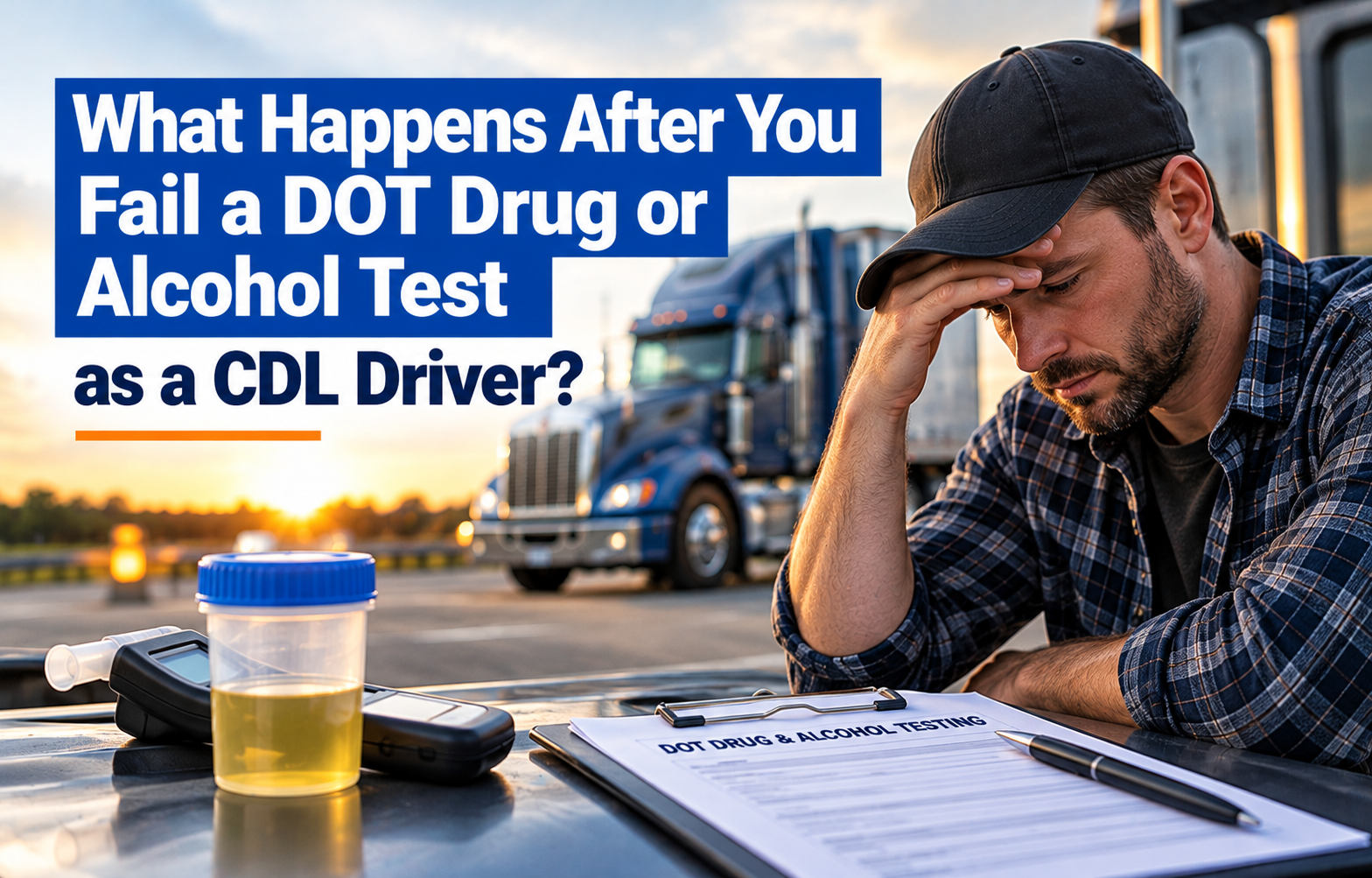
A DOT drug test refusal is more complicated than simply saying, “I refuse to test.” Federal rules identify a number of situations in which a driver's actions or failure to complete part of the testing process can be treated as a refusal.
For a CDL driver, the distinction matters because a valid refusal is a DOT drug and alcohol program violation. It can remove the driver from safety-sensitive work and trigger the same Return-to-Duty framework used after other covered violations.
Depending on the type of test and the circumstances, refusal rules can cover failures such as not appearing for a required test within the applicable time, leaving a collection site before the process is complete, failing to provide a required specimen without an adequate medical explanation, refusing an observed collection when observation is required, or interfering with the testing process.
Not every collection problem automatically becomes a refusal. DOT rules assign different responsibilities to collectors, Medical Review Officers, employers, and other participants, so the exact facts matter. A driver who sees a refusal on a record should first understand the specific basis for that determination rather than assuming it means the same thing as a laboratory-confirmed positive result.
A refusal and a positive test are different types of violations, even though both can lead to removal from safety-sensitive duties and a required Return-to-Duty process.
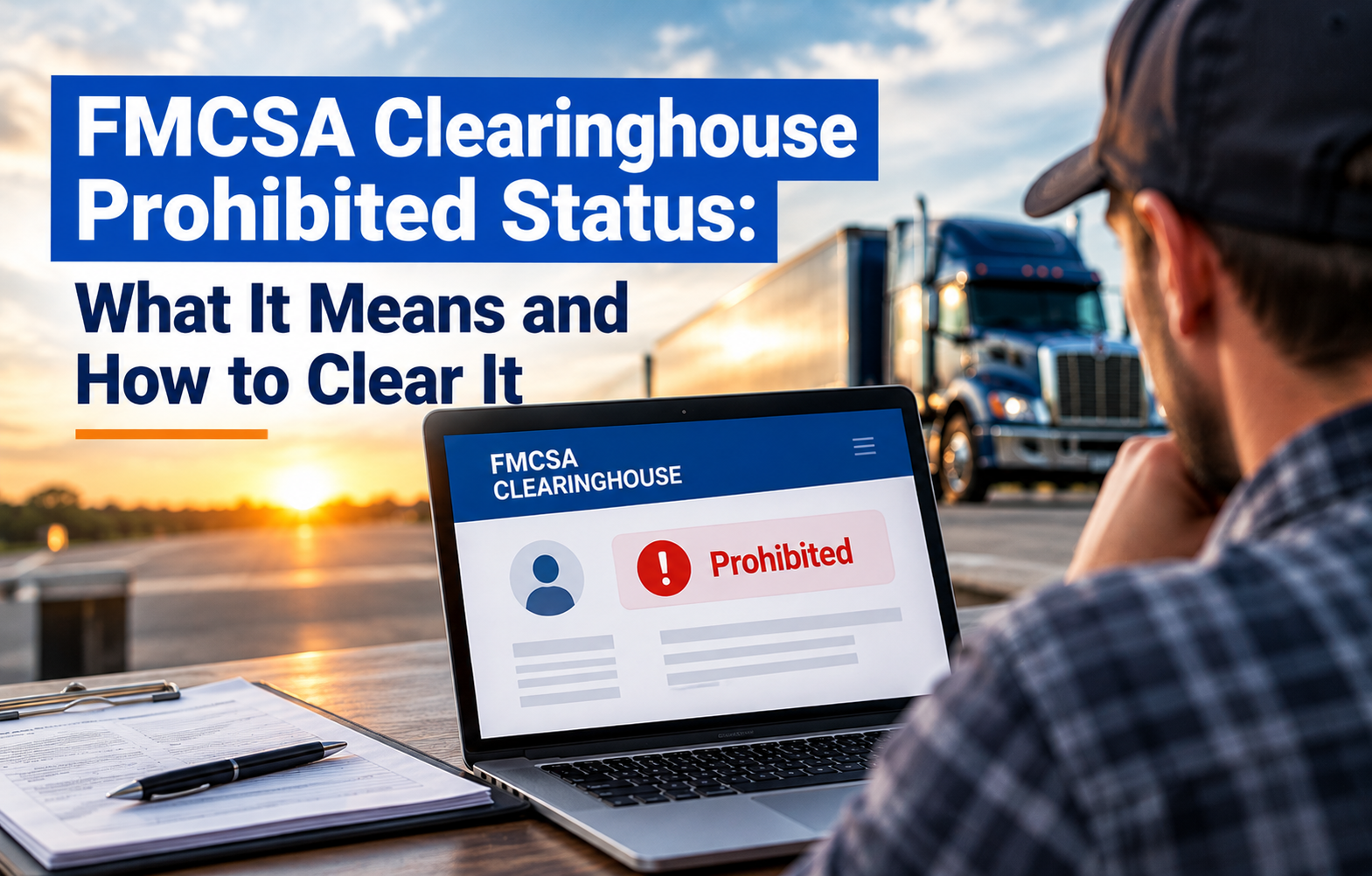
Once a refusal has been determined under the applicable DOT rules, the driver cannot continue performing covered safety-sensitive functions. For FMCSA-regulated CDL drivers, qualifying violations are handled through the Drug and Alcohol Clearinghouse, which means changing employers does not provide a way around an unresolved violation.
The employer's personnel decision is separate. DOT rules do not require a company to fire the driver, and they do not require a company to retain or rehire the driver. What the federal rules do require is successful completion of the Return-to-Duty process before the driver resumes regulated safety-sensitive work.
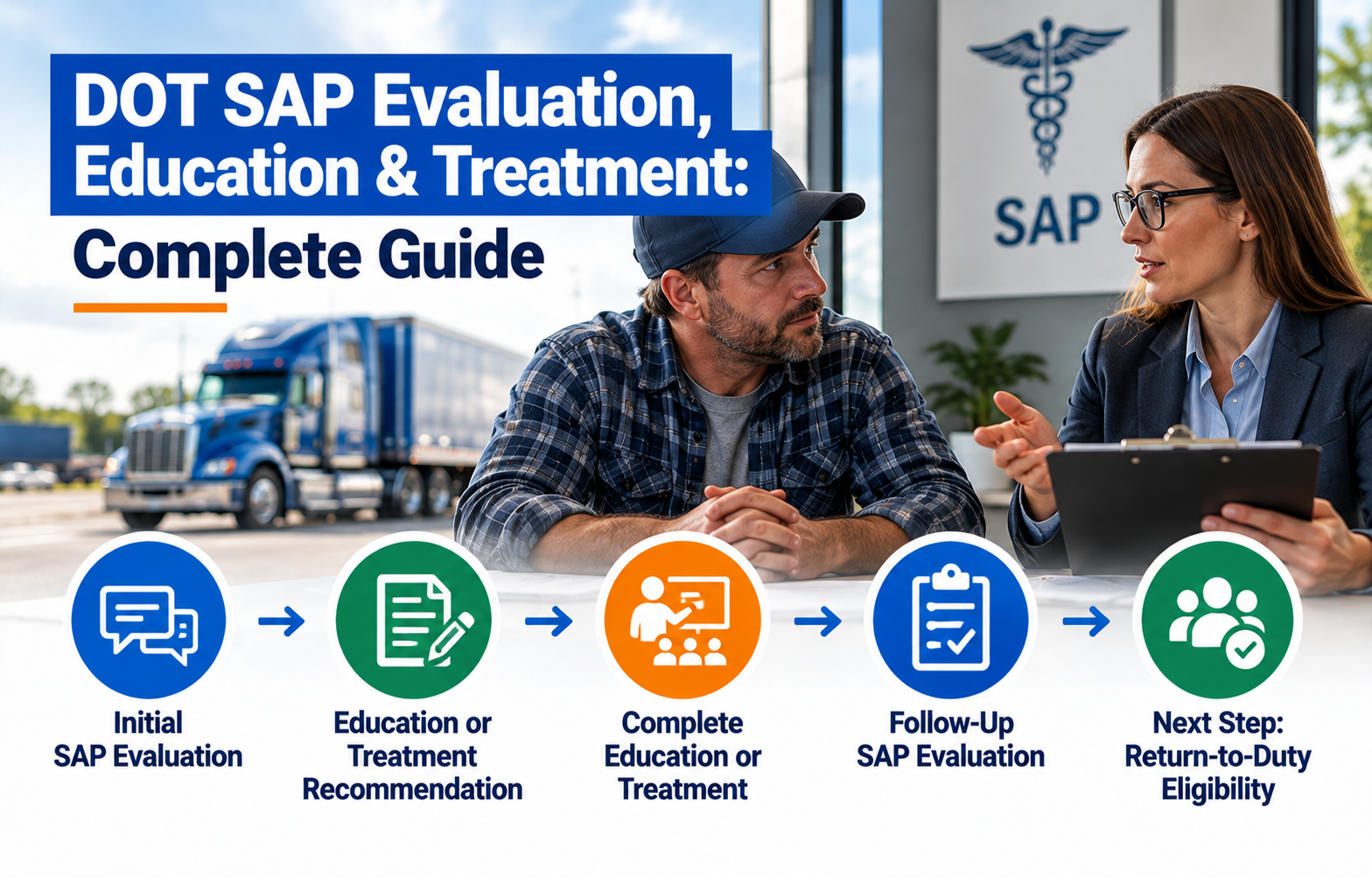
The driver must work with a qualified SAP. The SAP performs an initial evaluation and prescribes appropriate education and/or treatment. After the driver completes the recommendation, the SAP conducts a follow-up evaluation to determine whether successful compliance has been demonstrated.
Once the SAP makes that determination, an employer that wants to place the driver in safety-sensitive work can proceed with the required Return-to-Duty testing. A normal private drug screen or unrelated pre-employment test should not be assumed to replace the federal RTD test.
After return to safety-sensitive duty, the driver is also subject to the SAP's follow-up testing plan.
A disputed refusal is different from a driver simply disliking the consequences of a valid refusal. Some cases turn on whether the regulatory conditions for a refusal were actually met, who made the determination, or whether required testing procedures were followed.
The SAP's job is not to act as an appeals court for the original violation. If the driver believes a Clearinghouse record or refusal determination is incorrect, the appropriate correction or challenge procedure depends on the source of the determination and the specific facts.
That makes accurate records important. Drivers should preserve relevant notices and testing documentation and use current FMCSA or DOT procedures when challenging information they believe was reported incorrectly.
Recruiters and drivers sometimes use “failed test” as a catch-all phrase, but a positive drug test, alcohol violation, and refusal are not identical events. Knowing the exact violation helps the driver understand what appears in the Clearinghouse, what testing is required, and what information a prospective employer may need.
The federal route back to safety-sensitive work still centers on successful completion of the SAP and Return-to-Duty process.
For the current federal rules and official guidance, use the DOT and FMCSA resources below.
Continue with related guides about the DOT SAP Program, Return-to-Duty process, Clearinghouse, and follow-up testing.
© 2026 SAPTruckingJobs.com. All Rights Reserved.