Need help?
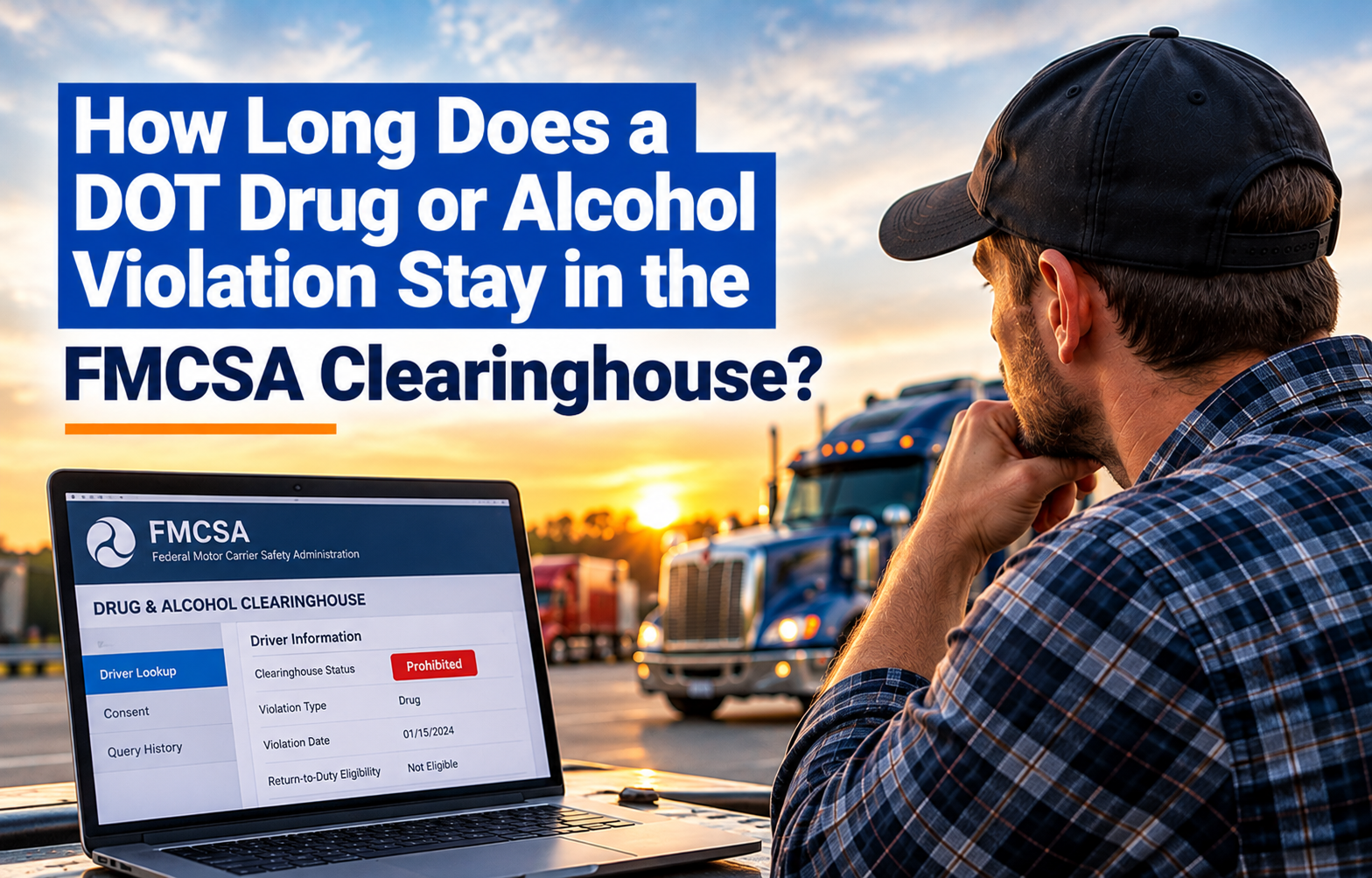
“Prohibited” is one of the most important statuses a CDL driver can see in the FMCSA Drug and Alcohol Clearinghouse. It means the driver is not currently permitted to perform DOT safety-sensitive functions because an applicable drug or alcohol requirement remains unresolved.
The status is designed to follow the driver across employers. A carrier change therefore cannot be used to avoid an outstanding violation or unfinished Return-to-Duty process.
For an FMCSA-regulated driver, Prohibited status prevents the performance of safety-sensitive functions, including operating a commercial motor vehicle that requires a CDL. It does not mean that federal rules prohibit every possible non-safety-sensitive job, but it does prevent regulated driving while the status remains unresolved.
Carriers have Clearinghouse query obligations, so the status is not limited to the employer for whom the violation originally occurred. A prospective employer can discover that the driver is not eligible to perform safety-sensitive functions through the required Clearinghouse process.
Since November 18, 2024, Clearinghouse-II also requires state driver licensing agencies to take action connected to a driver's Prohibited status. Drivers should not assume that Clearinghouse eligibility and the status of their physical CDL or CLP are separate issues with no interaction.
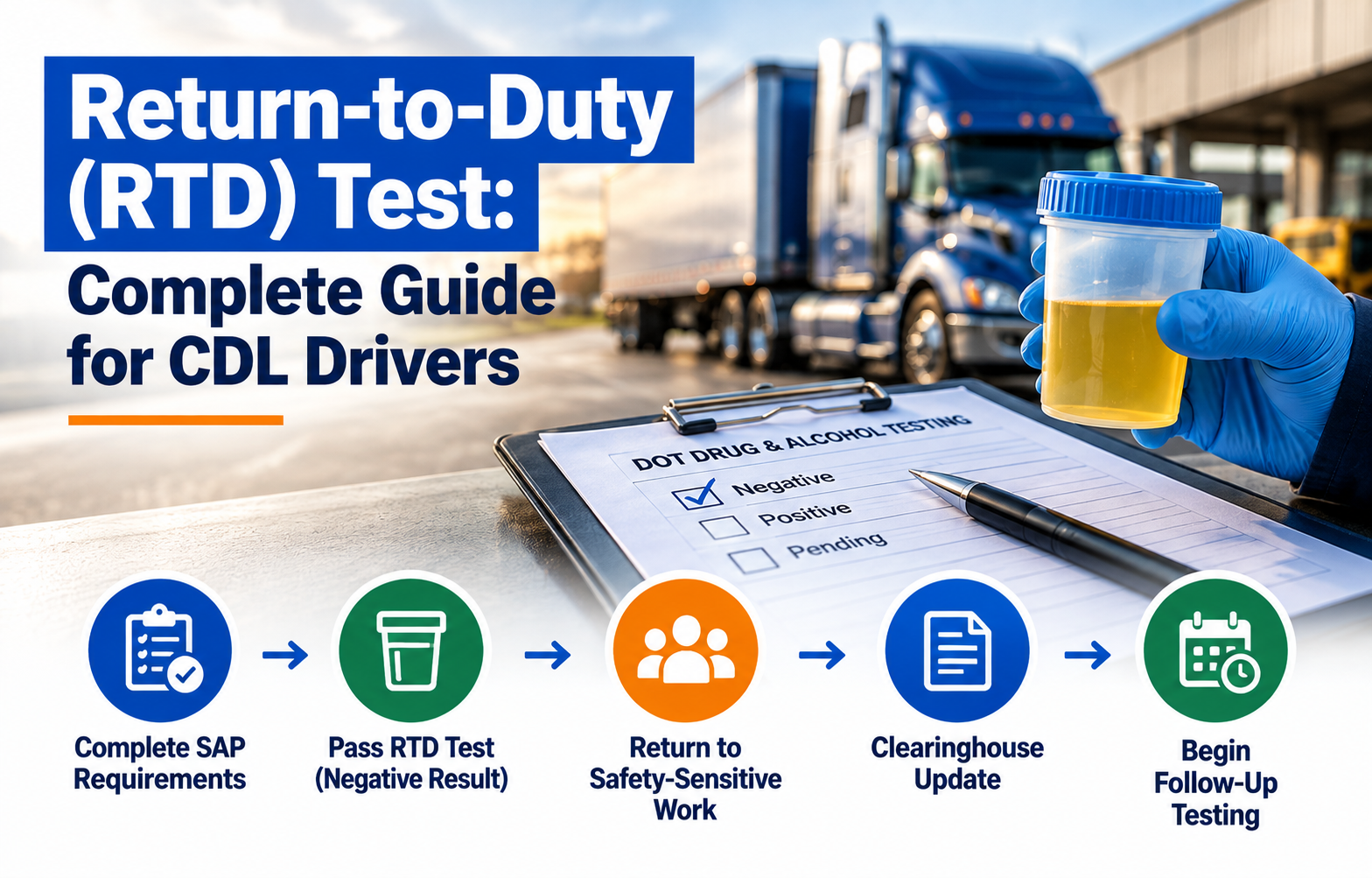
A driver does not become Not Prohibited merely by waiting or by changing employers. The driver must complete the applicable Return-to-Duty process. That begins with a qualified SAP, followed by the SAP's education and/or treatment recommendations and a follow-up evaluation.
After the SAP determines successful compliance, an employer that intends to return the driver to safety-sensitive work must ensure the required Return-to-Duty test is completed. The required negative drug result and/or qualifying alcohol result must be obtained before the driver resumes safety-sensitive functions.
When the required Return-to-Duty information is properly reported, the driver's Clearinghouse status can move to Not Prohibited.
This is one of the most important distinctions in the Clearinghouse system. Current eligibility and historical record retention are not the same thing. A driver can become Not Prohibited and still have the underlying violation information retained in the Clearinghouse.
FMCSA's retention rule generally keeps violation information for five years from the date of the violation or until the Return-to-Duty process is completed, whichever is later. The historical record therefore can remain after the driver has regained eligibility to perform safety-sensitive work.
The driver may also still have follow-up testing obligations even though the current Clearinghouse status is Not Prohibited.
The SAP creates a follow-up testing plan before the driver returns to safety-sensitive work. The plan requires at least six unannounced follow-up tests during the first 12 months of safety-sensitive duty, and the SAP may extend testing for up to 60 months.
Those requirements follow the employee to subsequent employers and through breaks in service. A driver who becomes Not Prohibited should therefore understand that the status change is an eligibility milestone, not necessarily the end of the entire SAP process.
A driver returning to trucking should know exactly where they are in the process. “Prohibited,” “SAP requirements completed but RTD test still needed,” and “Not Prohibited with follow-up testing remaining” describe materially different situations.
Checking the driver's own Clearinghouse account and understanding the SAP documentation makes conversations with prospective carriers much clearer and reduces confusion about what remains to be completed.
For the current federal rules and official guidance, use the DOT and FMCSA resources below.
Continue with related guides about the DOT SAP Program, Return-to-Duty process, Clearinghouse, and follow-up testing.
© 2026 SAPTruckingJobs.com. All Rights Reserved.